
Sabic
PARTNER CONTENT

Chemistry that Matters™

SABIC’s Journey from Middle East Giant to Global Company with a Large and Growing Asian Footprint

As SABIC celebrates its 50th anniversary in September, the company continues to expand its footprint across Asia. Key milestones include a recently signed long-term marketing and export agreement with South Korea’s S-OIL for Shaheen’s high-performance resins, and the upcoming launch of the SABIC FUJIAN Petrochemical Company joint venture in China to enhance product availability and strengthen regional supply chains.

In 1976, Saudi Arabia made the bold decision to convert natural gas by-products from its oil fields into valuable chemicals, entering an industry dominated by established global multinational companies at that time.

Set up by royal decree, Saudi Basic Industries Corporation (SABIC) built its foundation on domestic joint ventures before strategically expanding abroad to become one of the world’s largest petrochemical companies. SABIC now serves customers in more than 140 countries with a global workforce of more than 26,000 talented individuals.

Today, as SABIC prepares to celebrate its 50th anniversary in September, Asia stands at the heart of the company’s vision for future growth, building on a strong global foundation.

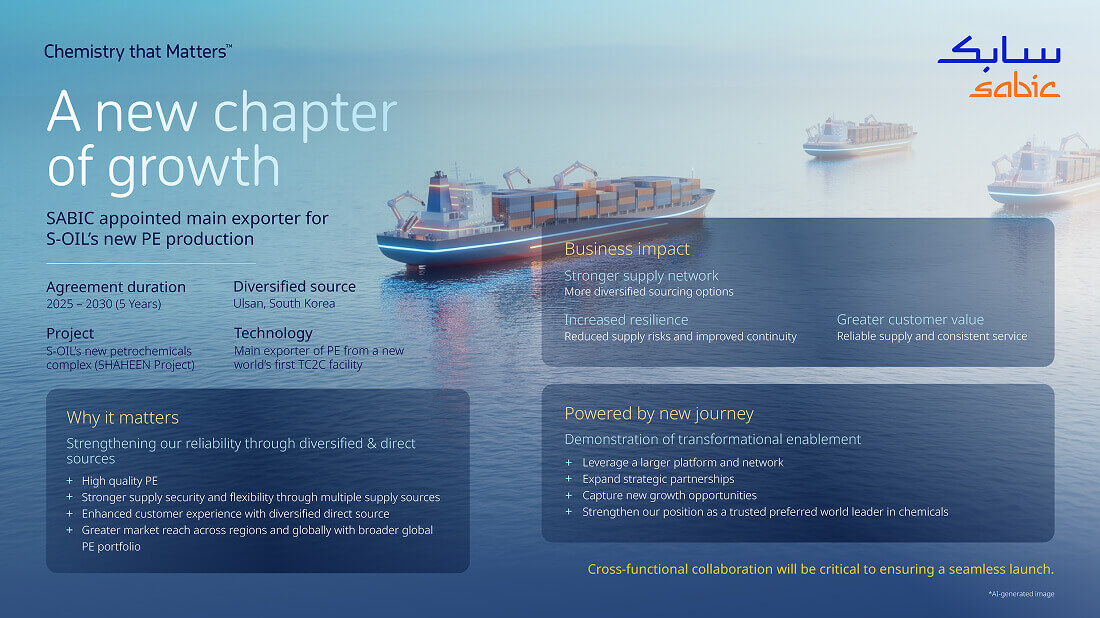
SABIC Infographic & Milestones
× SABIC presentation enlarged

Growing and investing in Asia

SABIC’s latest integrated report underscores Asia’s growing importance to its global business. The region is a manufacturing hub for a wide range of industrial and consumer products, many of which rely on the Middle Eastern chemical giant's bulk and specialty materials.

Out of the SAR 116.53 billion (US$31.07 billion) in revenue reported for 2025, Saudi Arabia accounted for 16%, while Greater China contributed another 20%. The share of revenue from the Rest of Asia, which includes Australia, New Zealand, Japan and India, has risen steadily over the years, from 22% in 2023 and 26% in 2024 to 28% in 2025.

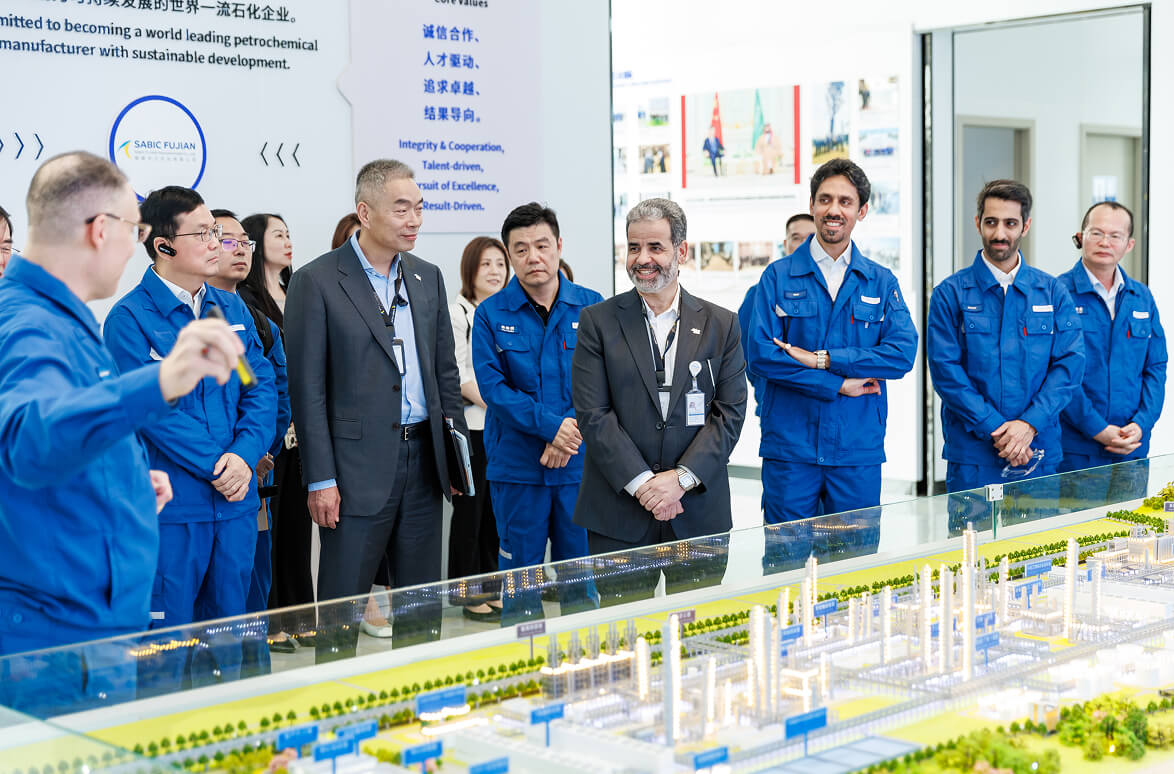
SABIC CEO Faisal M. Alfaqeer Visit to Fujian, China SABIC CEO Faisal M. Alfaqeer Visit to Fujian, China

As Asia continues to attract large investments in high-tech industries including electric vehicles (EVs), solar energy, consumer electronics, 5G/6G telecommunications equipment, and advanced medical devices, its strategic role in SABIC's growth will deepen further.

This has in turn prompted SABIC to invest heavily in the region.

Recent milestones include a long-term marketing and export agreement with South Korea’s S-OIL for Shaheen’s high-performance resins, and the upcoming launch of SABIC FUJIAN Petrochemical Company’s (SFPC) 44.8-billion-yuan petrochemical complex joint venture in China. Another advanced compounding plant in China is in the construction stage.

These developments will enhance the availability of key chemicals and strengthen regional supply chains.

Strong Asia footprint

In 2024, SABIC opened a manufacturing facility in Singapore to produce ULTEM™ resin, a lightweight, high-performance polyetherimide (PEI) thermoplastic that can replace metal in demanding industrial applications. In 2025, SABIC SK Nexlene Company (SSNC), a SABIC joint venture, completed its expansion project, significantly increasing production of SABIC’s premium, highly customized portfolio of advanced ethylene copolymers.
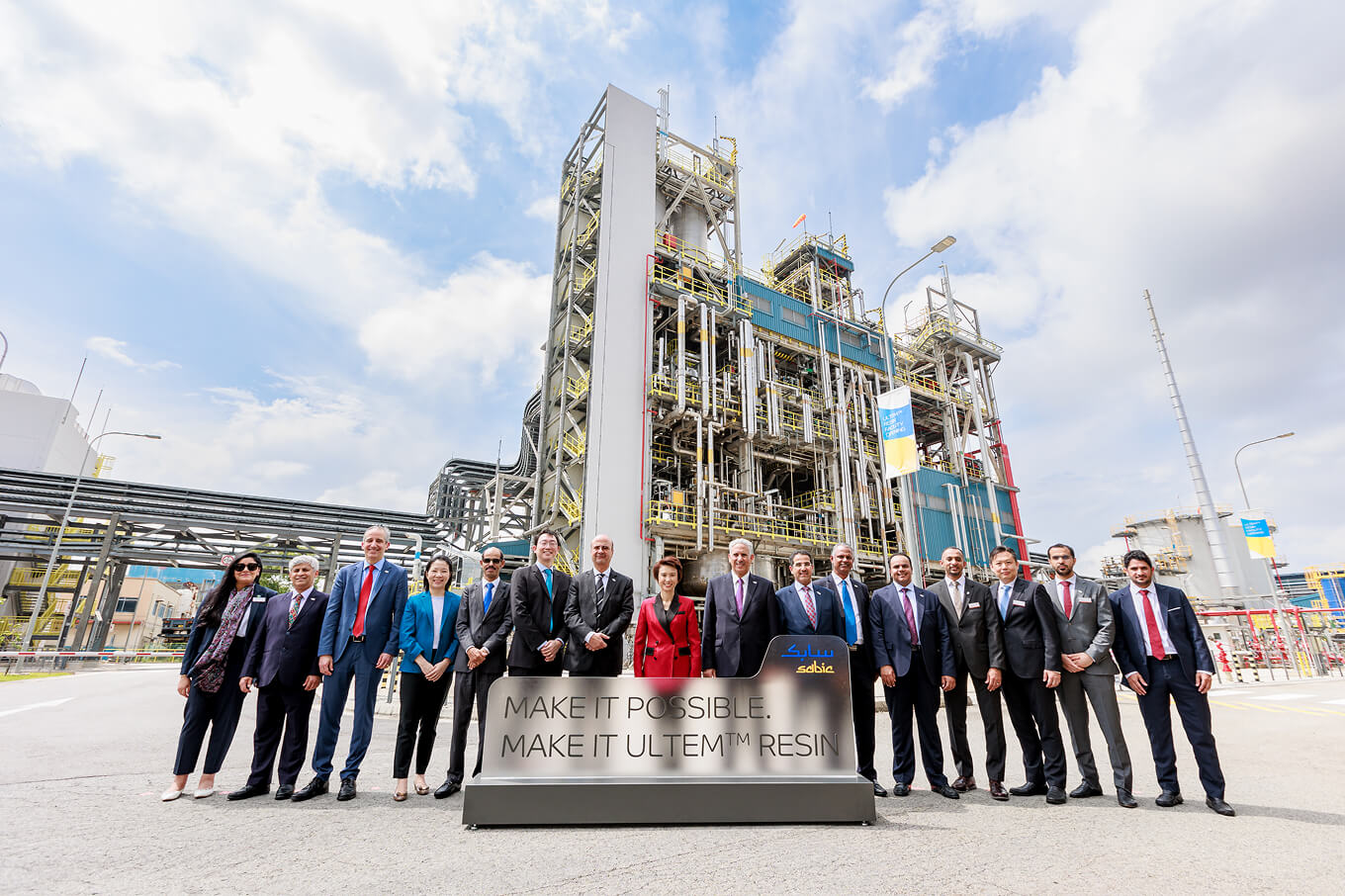
ULTEM Resin Manufacturing Facility Opening in Q4, 2024 ULTEM Resin Manufacturing Facility Opening in Q4, 2024

SABIC currently operates 11 manufacturing and compounding sites across China, India, Japan, South Korea, Singapore, and Thailand. Singapore and Malaysia serve as the distribution hub for the Asia region. In addition, SABIC has Technology Centers in India and China, complemented by Application Centers in Japan and South Korea. Products developed in SABIC’s Asian Technology Centers include components that make smartphones lighter and more compact, as well as materials that replace metals in electric vehicles. One recent success story is SABIC’s 15-year partnership with Japanese lifestyle and eyewear brand Zoff, which has been using ULTEM for its range of SMART glasses.

SABIC’s Application Centers in Moka, Japan, and Seongnam, South Korea, specialize in customizing innovations for automotive, electronics, electrical, lighting, factory automation, and healthcare customers, providing rapid prototyping and agile solutions.

Globally, SABIC has manufacturing facilities in the Americas, Europe, the Middle East, and Asia Pacific, producing a wide range of chemicals, high-performance plastics, and agri-nutrients. The company is an innovation powerhouse, with more than 11,000 patents and patent applications to date. SABIC is listed on the Saudi stock exchange.

[Please read the sidebar for more details]
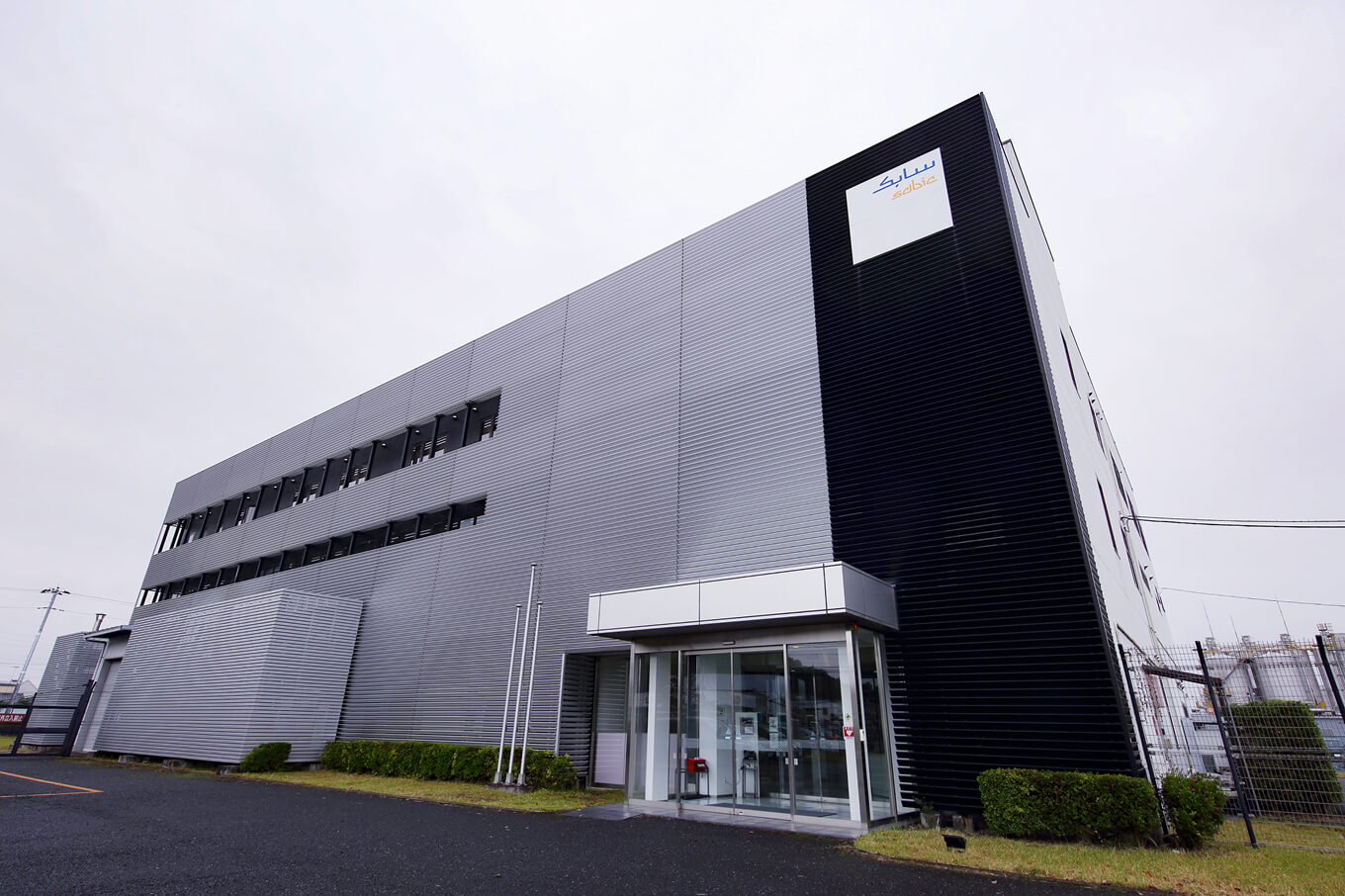
SABIC Application Center in Moka, Japan SABIC Application Center in Moka, Japan
Collaboration with S-OIL

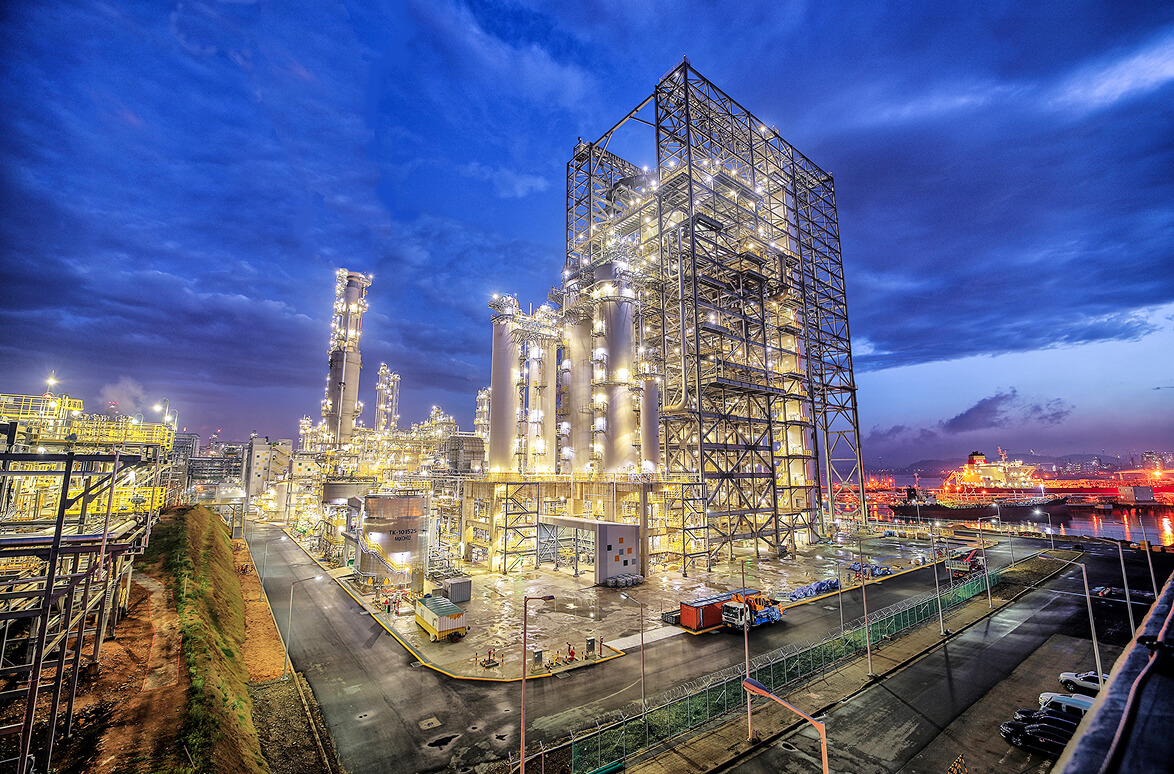
SABIC’s next boost from the supply side will come by the end of the year, when operations begin at S-OIL’s US$7 billion Shaheen Project in Ulsan.

S-OIL’s Shaheen Project will feature the world’s first commercial application of the pioneering Thermal Crude-to-Chemicals (TC2C) technology developed by Saudi Aramco and Lummus Technology. This process converts crude oil more directly into chemical feedstocks by bypassing certain conventional refining steps, enabling higher yields of feedstocks for polyethylene production.

S-OIL plant in South Korea S-OIL plant in South Korea

The South Korean company is majority-owned by Saudi Aramco, which is also SABIC’s majority shareholder. SABIC has a long-term marketing and export agreement to sell Shaheen’s polyethylene production across the region, following a similar agreement for S-OIL’s polypropylene production in 2021.

This partnership combines S-OIL’s production competitiveness with SABIC's extensive marketing infrastructure, supply chains and customer networks in the global petrochemical market.

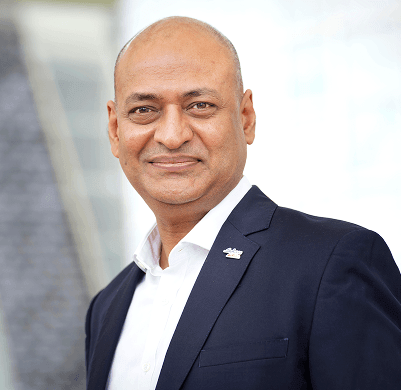
Mayank Jain

Regional Head, SABIC Rest Of Asia

“This partnership with S-OIL allows us to translate cutting-edge innovation into tangible, commercial value for our customers, partners and industries in the region. Through the availability of products and materials from the first large-scale deployment of thermal crude-to-chemicals technology, SABIC is connecting key Asian growth markets directly with more energy-efficient raw materials.”

“This collaboration not only maximizes operational efficiencies for our partners through a more direct source, but also strengthens our established regional supply chain, providing established and new industries in Asia with a competitive, high-performance supply of materials for long-term expansion.”

Mayank Jain

Enhancing key industries with innovative materials

As the TC2C process bypasses the traditional, highly energy-intensive step of refining crude into naphtha before cracking it into polymers, streamlining production into a single, optimized loop, buyers of Shaheen’s products benefit from a reduced carbon footprint.

While regulations differ across the world, an increasing number of jurisdictions expect management to report Scope 3 emissions – the indirect carbon generated across the entire supply chain, including the raw materials purchased from suppliers. By sourcing from Shaheen, buyers can lower these value-chain emissions and better meet strict global compliance standards.

Looking ahead

As SABIC marks its 50th anniversary, it aims to work more closely with customers and business partners in the region and Asia, to create new products while working towards a more circular economy with reduced waste and stress on the environment. The company will continue to prioritize people and contribute to the community through its various flagship corporate social responsibility (CSR) programs to help children, students, seniors, families and the environment. SABIC was recently named
Top Employer in Asia-Pacific for the 12th consecutive year.

“Our customers and partners across Asia have played a foundational role in SABIC's ongoing growth and success over the last five decades. Strategic collaboration remains a cornerstone of our business, reflecting the dedication of our regional workforce across the Rest of Asia, who serve as key stakeholders themselves, suppliers, and broader partners in driving long-term value creation in a rapidly evolving global market,” says Jain.

He adds: “As we look to the next 50 years, SABIC remains dedicated to deepening these vital partnerships, leveraging joint strengths to support mutual growth and progress in Asia.”